Lord Laxminarayan’s Royal Procession Marks the Grandeur of Kota’s Heritage; Traditional ‘Darikhana’ Held at Garh Palace
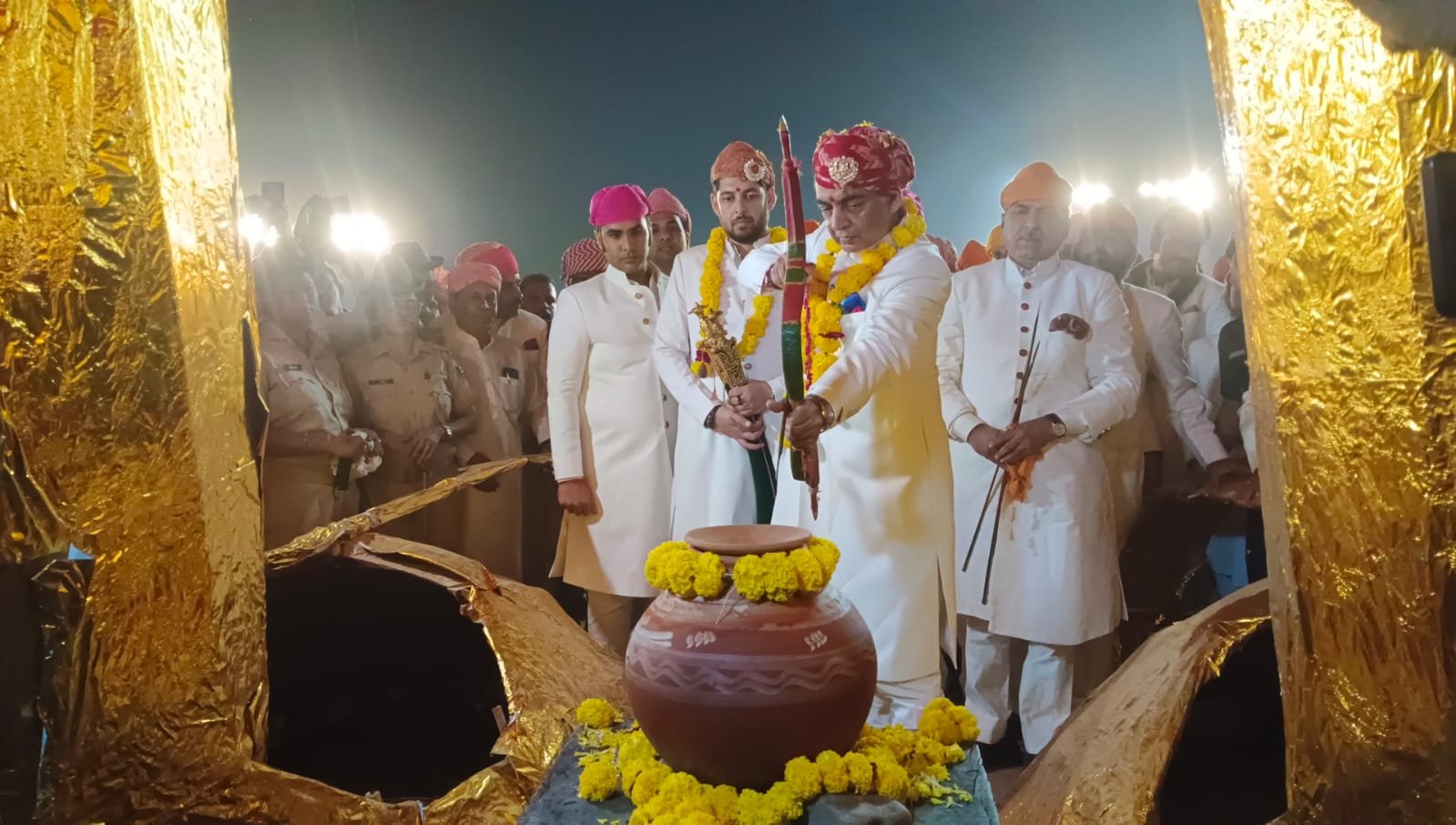
Kota, October 20: The 133rd National Dussehra Mela-2026 reached a spectacular crescendo on Tuesday, showcasing the royal grandeur and centuries-old traditions of the Hadoti region. Following the traditional Darikhana ceremony and prayers at Garh Palace, a magnificent royal procession of Lord Laxminarayan was taken out, bringing the city’s rich cultural heritage and scenes from mythological battles to life.
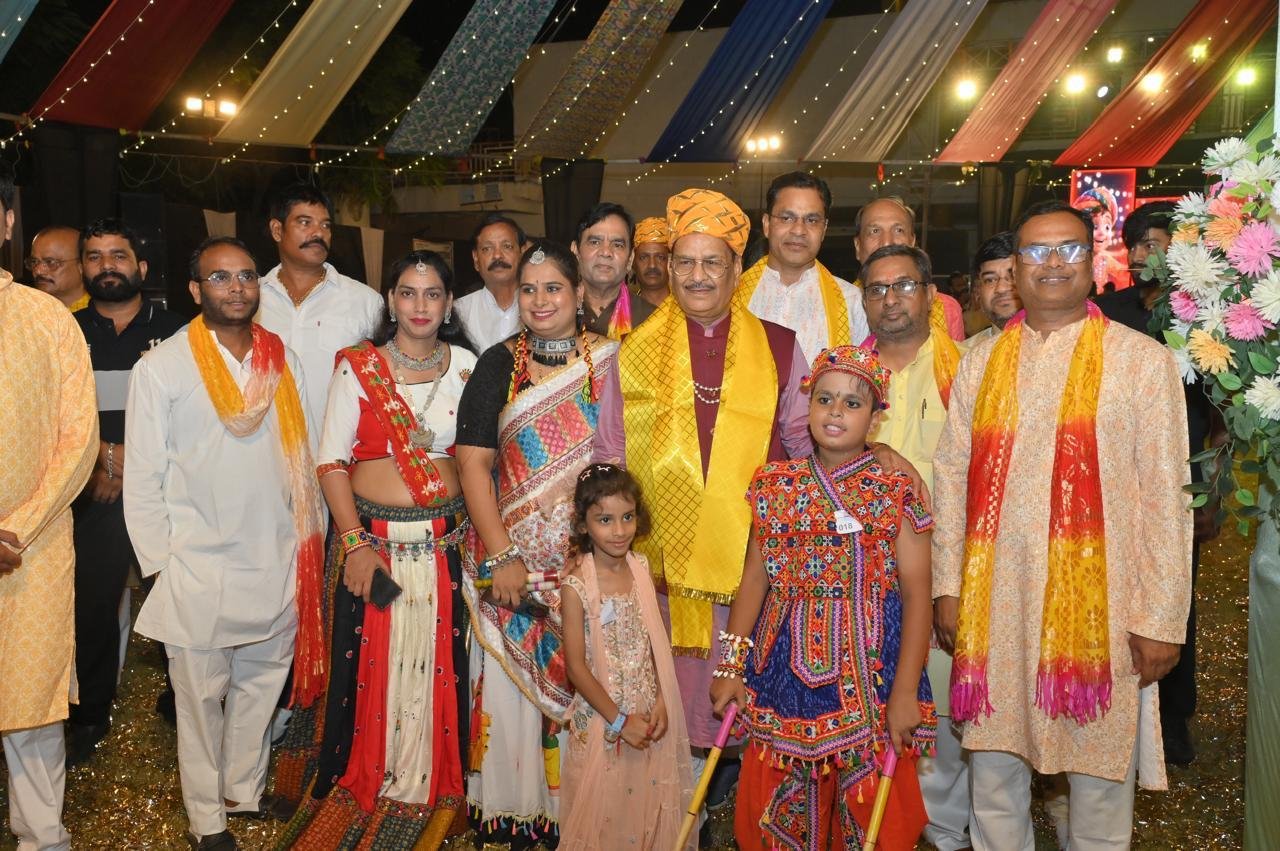
Before the burning of Ravana’s effigy, the traditional Darikhana was organised at Garh Palace, where representatives of former princely estates of the Hadoti region gathered in their traditional royal attire. Mayor Anusuiya Goswami, Deputy Mayor Vivek Rajvanshi and several other dignitaries were present on the occasion. They exchanged Vijayadashami greetings through the traditional Rama-Shyami ritual. Foreign tourists from Japan, China and the United Kingdom also witnessed the historic celebration.
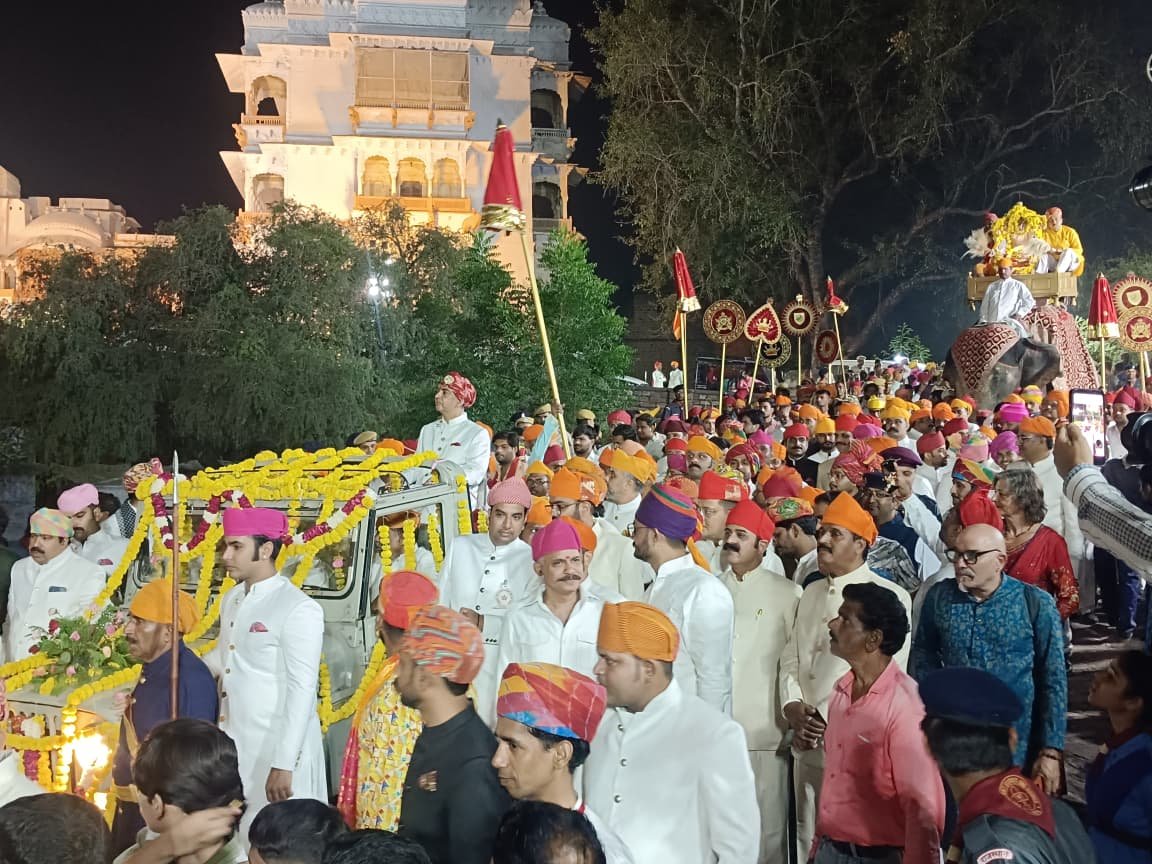
At the auspicious time of 6:31 pm, the royal procession of Lord Laxminarayan departed from Garh Palace, with the deity seated on an elephant in full ceremonial splendour. Maharao Ijyaraj Singh accompanied the procession in an open jeep. The procession passed through Kishorepura Gate and proceeded towards Vijayashree Rangmanch at Dussehra Ground.
Mounted horsemen and army personnel led the procession, followed by the elephant carrying Lord Laxminarayan’s ceremonial palanquin, accompanied by attendants waving traditional chaurs (ceremonial fly-whisks). Thousands of devotees lined both sides of the route, raising devotional slogans in praise of the deity.
Mythological Episodes Come Alive
The highlight of the procession was the spectacular enactment of scenes from the epic battle between Lord Rama and Ravana. Characters portraying Lord Rama, Lakshman, Goddess Sita, Sugriva, Angad, Vibhishana, Nal-Neel, Jambavan and the mighty Hanuman participated in the procession. Ravana was portrayed by Rajaram Karmayogi, while Meghnad and Kumbhkaran were also featured.
Dramatic battle scenes between the Vanara Sena and Ravana’s army unfolded on the streets. The fierce encounter between Ravana and Jatayu, along with the formidable appearance of Goddess Kalika destroying demons while carrying a khappar (ritual skull bowl), captivated spectators.
War drums played from camel carts, along with the rhythmic beats of traditional drums and percussion instruments, created an atmosphere charged with devotion and excitement. Members of the Vanara Sena were also seen performing swordplay while chanting devotional hymns in praise of Lord Rama.
Folk Artists from Across India Showcase Cultural Diversity
Artists from different parts of the country added colour and vibrancy to the grand procession through their traditional performances. Rajasthan’s famous Kachhi Ghodi dance and Kajri dance were among the major attractions, along with cultural performances by the Bhil and Sahariya tribal communities of Udaipur.
The audience also witnessed Arunachal Pradesh’s traditional Tappu war dance, Chhau dance from West Bengal and Kerala’s Kummatti folk dance, highlighting India’s rich cultural diversity.
The melodious performances of the Army Band and Police Band, accompanied by women singing traditional auspicious songs, further enhanced the grandeur of the historic celebration.
The royal procession once again showcased Kota’s glorious heritage, blending religious devotion, royal traditions and the vibrant folk culture of India as part of the 133rd National Dussehra Mela-2026.